

2026 Taipei Cycle Show: Key Trends for the May Shanghai Show
Time: 2026-04-03
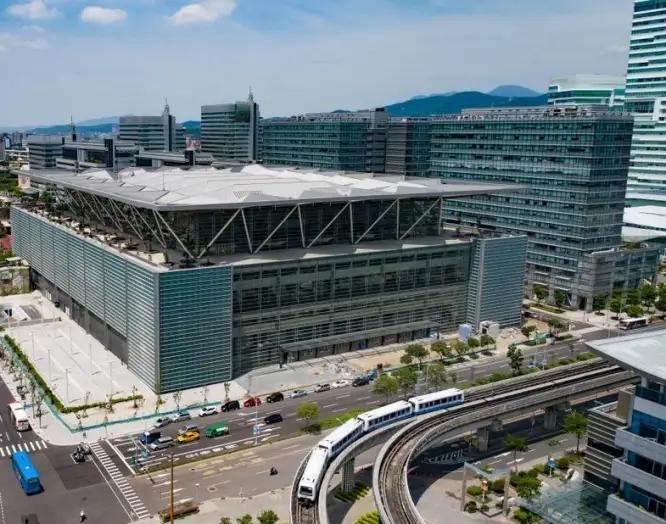
The recently concluded 2026 Taipei Cycle Show has set the tone for the global bicycle industry. Based on industry insights and on-the-ground feedback, we forecast that the upcoming Shanghai International Bicycle Exhibition (early May) will mark a structural industry shift—not a downturn, but a necessary reshaping of market cycles and competition.
Taipei Cycle clearly signaled the industry’s move from order‑seeking expansion to cautious observation, as the global bicycle sector transitions from growth to stock‑adjustment phase.
1. Cautious Outlook: Shanghai Show to Reflect Global Buyer Caution
Taipei Cycle confirmed widespread industry prudence: high inventory in Europe and the US, unstable pricing, and soft retail demand. This caution will directly shape the Shanghai show:
- European & US buyers will prioritize talks over commitments. They will consult, compare, and hold off on firm orders as they wait for inventory clearance and price stabilization.
-
No standout products mean no impulsive orders. Without disruptive tech, strong value, or clear scenario matching, suppliers will struggle to attract purchases. Consumers now buy by need, not trend.
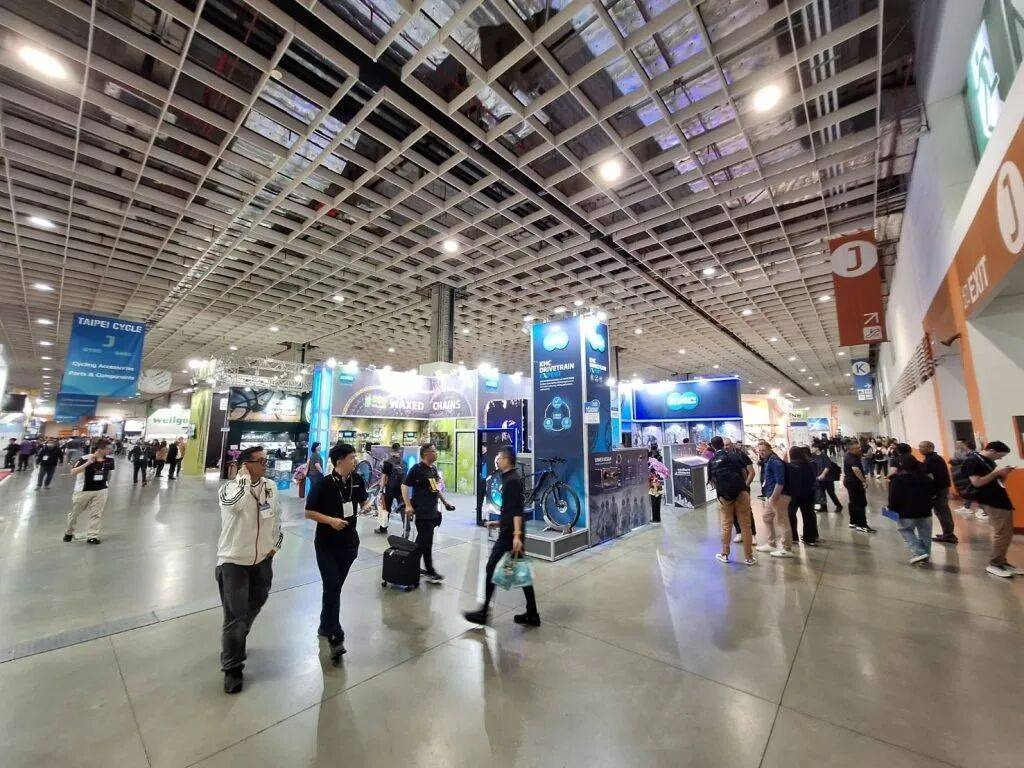
2. Industry Structure Shifts: Parts & Niche Markets Rise
Taipei Cycle highlighted Taiwan’s strength in components and replacement/upgrade parts, which support steady performance amid weak OEM orders. For Shanghai:
- Mainland China moves from whole-bike competition to niche segmentation. Cheap, mass OEM models are no longer sustainable amid internal competition and potential external inventory pressure. Smaller, flexible, and specialized orders will replace large bulk deals.
-
Cash flow becomes the survival test. The industry is weeding out companies with weak cash flow, not just poor quality. Inventory control and financial stability will be more critical than product displays.|
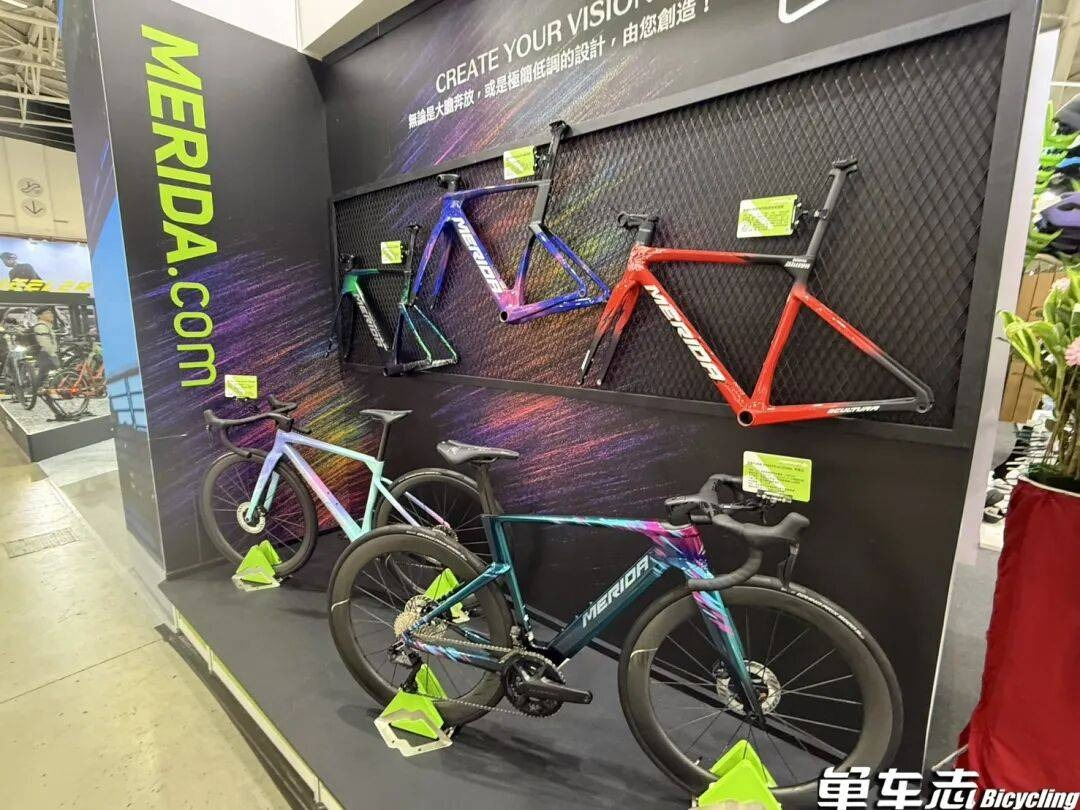
3. Show Purpose Reimagined: From Order-Taking to Strategy-Aligning
Both Taipei and Shanghai shows are evolving from pure trade fairs to trend-calibration platforms:
- Shanghai Show shifts focus from signing orders to reading the market. Exhibitors will prioritize competitor analysis, pricing checks, and channel updates rather than chasing on-site deals.
-
New-generation leadership takes center stage. Younger managers face a tougher, low-growth environment. The show will become a starting point for data-driven, resilient decision-making in a down cycle.
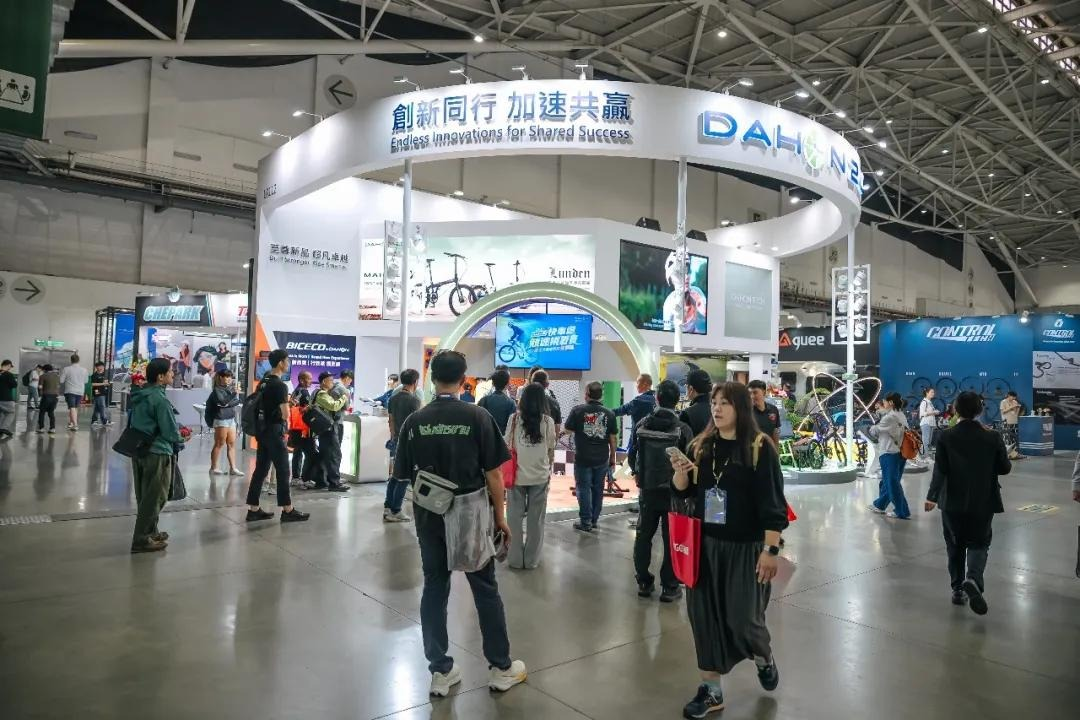
4. Long-Term View: Healthy Restructuring, Not Decline
Taipei Cycle shows the industry is entering a differentiation phase, which will accelerate in Shanghai:
- Companies that adapt to replacement parts, niche demand, and flexible supply chains will outperform.
- Those stuck in old mass-production models will fall behind.
- Cross-strait industries will form new cooperation and competition around component and whole-bike strengths.
Conclusion
Taipei Cycle 2026 previewed the global bicycle industry’s rational restructuring. The Shanghai Show will bring these trends to life in the world’s largest supply base. Slower order activity does not mean vanishing demand—it signals the end of reckless expansion and the start of focused, sustainable competition.
A new era of rational, segmented growth for the bicycle industry is just beginning.